
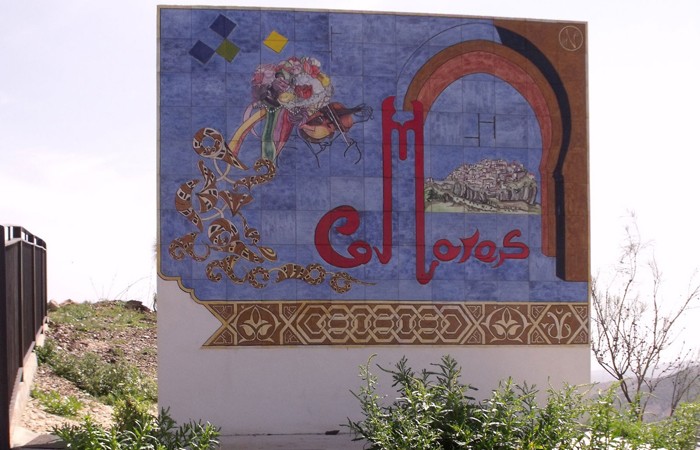
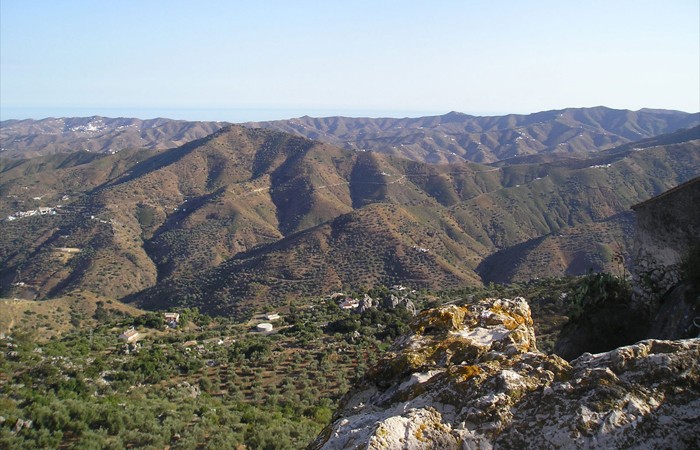
The picturesque white village of Comares is undoubtedly one of the most beautiful villages in the Andalucian province.
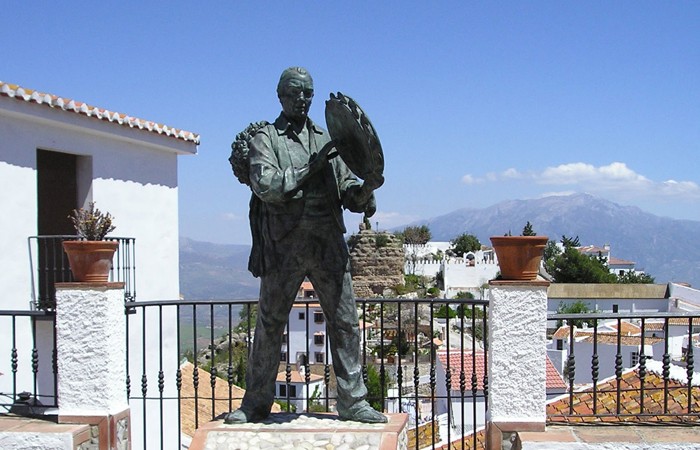
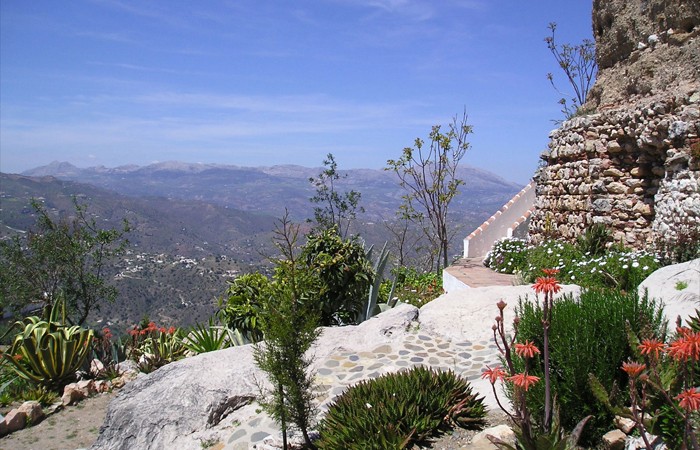
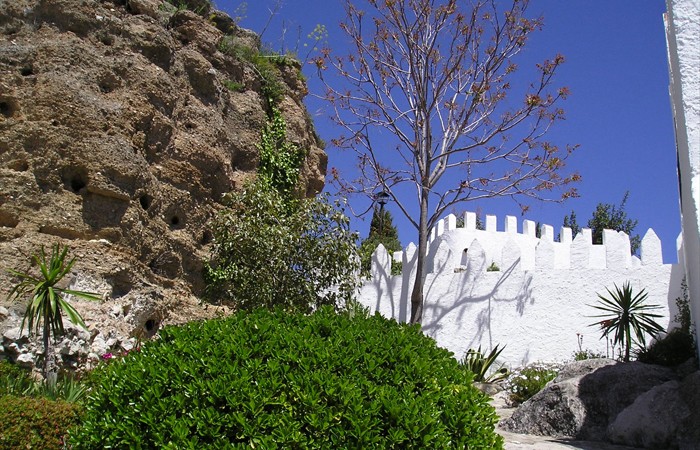
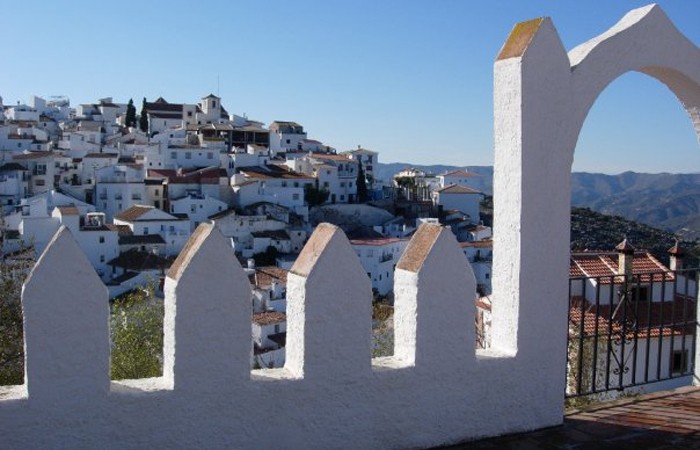
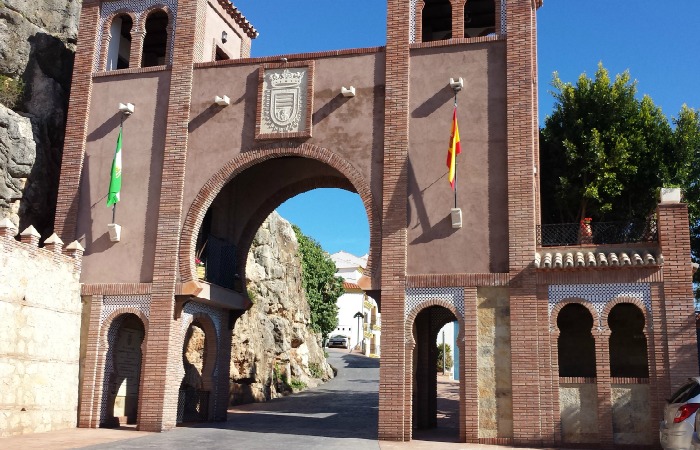
It is also a town steeped in history and very rich in culture.
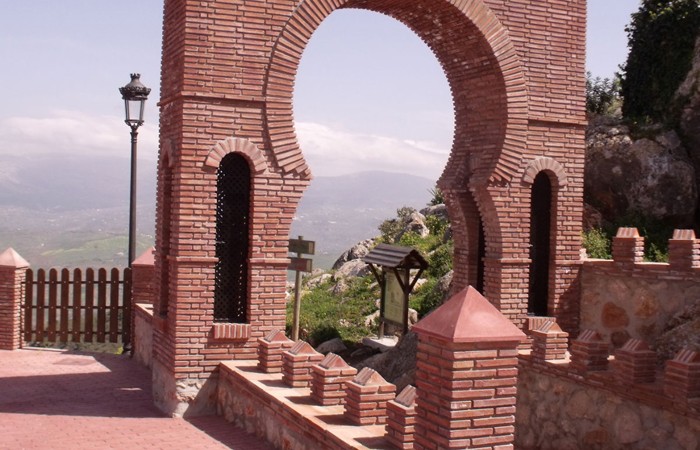
It was home to a Muslim rebel leader named Omar ben Hafsum in 9th century AD. And this history of Muslim occupation is still evident in the village today with its inscribed stonework, watch towers, whitewashed houses and narrow cobblestone streets.
A Parish church which was built way back in the 16th century is certainly worth a look. There are also several bars, supermarkets, plazas, a post office and a bank to cater to locals and the few tourists who are lucky enough to have found this great haven.
Things to do:
 Walking Routes
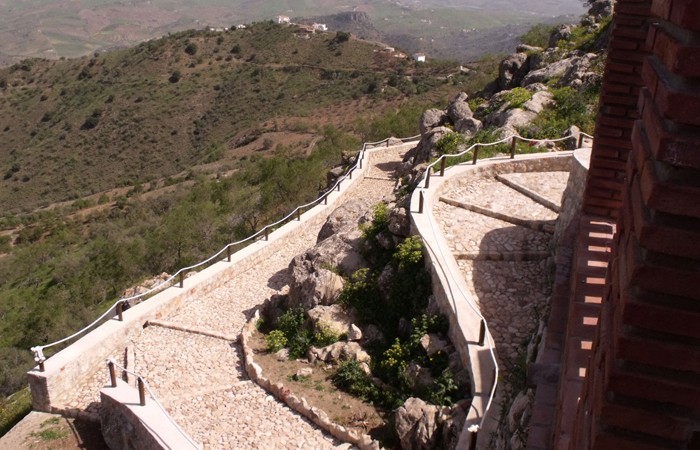
Limestone rocks, ravines, cliffs and boulders are strewn across the carefully conserved countryside of Comares. It is home to a wide variety of Mediterranean flora and fauna which makes this quaint town ideal for leisurely walks or more challenging treks.
Take your pick with various walking routes around the village offered by Vine Ridge. Each of these scenic walks has various levels of difficulty to cater to your every need and preference.
- Take the Ruta de Fuente Gorda, a 2.5 km route that circles the town on Comares and ends in the town’s main square.
- The Ruta el Lavadero is a 4 km walking trail that weaves the Southern slopes of Comares to theHamlet of Alqueria.
- The Ruta de la Mesa is a relaxing 10 km walk which leads you to Los Ventorros, a small village that has preserved the remnants of a Medieval Moorish settlement.
- Ruta de le Teja is an adventurous 12 km walk along North Comares which takes you down to beautiful riverbeds with spectacular mountain views along the way.
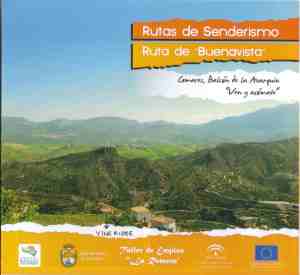
- Ruta de la Buena Vista is a challenging 22 km and 10 hour walking trail. You will be led along Comares’ local rivers and mountain slopes whose scenic views are incomparable to any other vantage points along the town.
Horse riding
There are charming stables nearby to us, run by a good friend of ours, ideal for children, or adults who want to experience a lesson or go out for a trek in the beautiful surrounding countryside. Excellent value and a great treat to enhance your holiday. Please ask us for more details.
Bird watching
 Should you wish to simply stay at Vine Ridge, you can take in the beauty of the existing wildlife as majestic birds fly and settle on the open terraces.
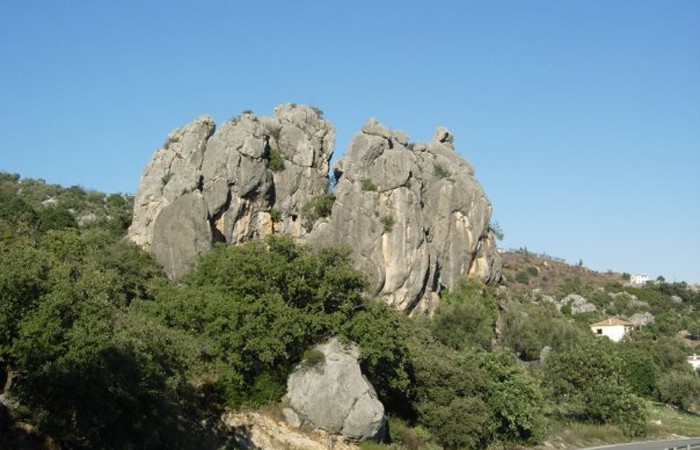
Opposite the villa is La Peña, a striking rock home to various bird species which will surely enthrall amateur and experienced bird watchers alike.
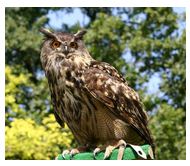 Get your fill and have your camera at hand as you get to observe several birds of prey which include: Nightingale, Crested Larks, Thekla Larks, Corn Buntings, Cuckoo’s, Kestrel, Single Orphean Warbler, Hoopoe, Melodious Warbler, Woodchat Strike, Cetti’s Warbler, Crag Martin, Pied Flycatcher, Chough, Black Wheatear, Rock Bunting, Golden Oriole, Bonelli’s Eagle, Quail, Wryneck, Cirl Bunting, Black-eared and Wryneck Wheatears, Red-legged Partridge, Rock Thrush, Purple Heron, Scops Owl, Alpine Swift, Common Swift, Osprey, Sardinian Warbler, Bee eater, Green Sandpiper, Whinchat, Spotted and Pied Flycatcher, Olivaceous Warbler, Lesser Kestrel, Booted Eagles, Common Sandpiper, Little-ringed Plover, Red-necked Nightjar, Honey Buzzard and Short-toe Eagle
